Skip to content
Workshops and educational sessions

Guided interior learning with practical exercises

Workshops help you move from reading to doing. Each session is built around a simple framework, a set of room-based exercises, and a checklist you can reuse at home. Topics cover layout planning, lighting layers, material pairing, and functional organization for modern living spaces.

Beginner-friendly
Clear language and simple steps.
Action-oriented
Exercises you can apply the same day.
Product-neutral
Principles before purchases.
Session snapshot

A typical workshop combines a short concept lesson, a guided planning template, and a practical review checklist. You can use the same structure for a living room, bedroom, or workspace.

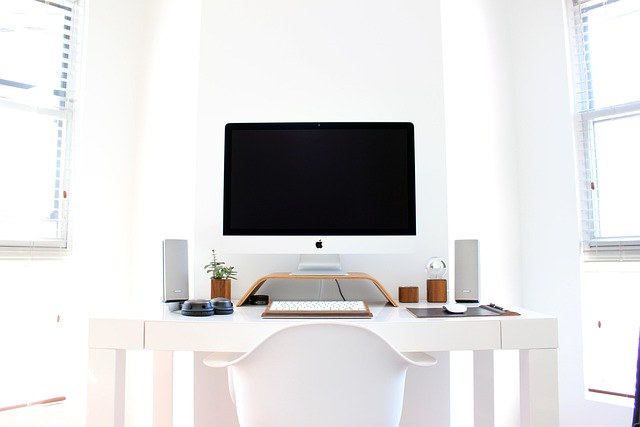
interior design workshop desk with floor plan sketches lighting notes and material samples
Layout template

Zone your room by activity, then validate circulation and sightlines.

Lighting layers

Plan ambient, task, and accent light for a comfortable daily rhythm.

Material pairing

Use undertones and texture to create calm contrast and cohesion.

Note: Workshops are educational. For regulated work such as electrical installation, consult a qualified professional.

Workshop themes

Each theme focuses on one decision set so you can practice without feeling overwhelmed. Sessions are designed to build core skills: measuring, evaluating proportion, understanding light behavior, and creating a consistent palette that suits everyday use.

You can attend themes in any order, but beginners often start with layout because it affects everything else. Lighting and material awareness follow naturally, then organization and workspace planning help you translate aesthetics into routines.

Room planning fundamentals

A practical introduction to zoning, circulation, and furniture scale. Learn how to map daily activities and create a layout that supports movement, conversation, and storage.

Includes a reusable layout checklist

Lighting for everyday comfort

Understand light temperature, placement, and glare control. Build a layered lighting plan that works for reading, cooking, relaxing, and focused work.

Includes a lighting layer template

Materials and textures

Learn how wood, metal, textiles, and matte or glossy finishes interact. Build a material board that feels cohesive and durable for daily life.

Includes a material pairing exercise

Workspace design at home

A calm approach to desk placement, cable strategy, lighting for screens, and storage zones. Useful for compact apartments and multi-purpose rooms.

Includes a workspace setup checklist
Prefer self-study first?

Our Guides cover the same principles with examples and checklists so you can learn at your own pace.

Explore Guides

How a workshop session is structured

Sessions are designed to feel calm and useful. The emphasis is on learning how to think like a designer: define a goal, test constraints, and make choices in a sensible order. You are encouraged to bring basic measurements and a few photos of your room for personal reference.

The outcome is a small, clear plan rather than an idealized moodboard. You leave with a checklist and a repeatable framework you can apply to other rooms, including a pathway to expand learning through Lighting and Workspace modules.

  1. 1

    Short concept lesson

    We introduce one principle at a time, such as circulation width, lighting layers, or material undertones. Concepts are explained in plain language with practical examples.

  2. 2

    Guided exercise

    You apply the concept to a simplified plan: zoning a room, outlining light points, or selecting a palette range. The goal is clarity, not perfection.

  3. 3

    Review and checklist

    We review typical pitfalls: oversized furniture, flat lighting, and inconsistent finishes. You receive a checklist that helps you validate decisions at home.

  4. 4

    Next steps for your space

    We outline a realistic progression: what to adjust first, what to measure next, and which learning modules support your goal. This keeps improvements manageable.

Related learning

Workshops are designed to complement the content in our Guides, Lighting, and Workspace sections. If you prefer reading first, start there and return when you want structured practice.

What to prepare
  • Basic room measurements and door swing notes
  • A few photos taken in daylight and evening light
  • Your top three routines to support in the space
  • Any constraints: rentals, existing fixtures, storage needs

Frequently asked questions

These questions explain how workshops relate to the rest of the platform. Emerald Observer focuses on education and practical living concepts, with a calm, product-neutral approach.

Are workshops suitable if I have never studied design?

Yes. Workshops are designed for beginners. We start with a clear goal, explain core terms, and use simple exercises that focus on function, comfort, and consistency.

Do I need special software or tools?

No. A tape measure, paper, and a phone camera are enough for most exercises. The emphasis is on learning principles and making decisions in a sensible order.

Will you recommend specific furniture or brands?

We focus on measurements, proportions, and material logic rather than brand lists. The goal is to help you evaluate options confidently based on your space and needs.

Can these sessions help with rentals?

Yes. We cover layout, lighting layers that do not require wiring changes, and organization systems that can be removed or adapted when you move.

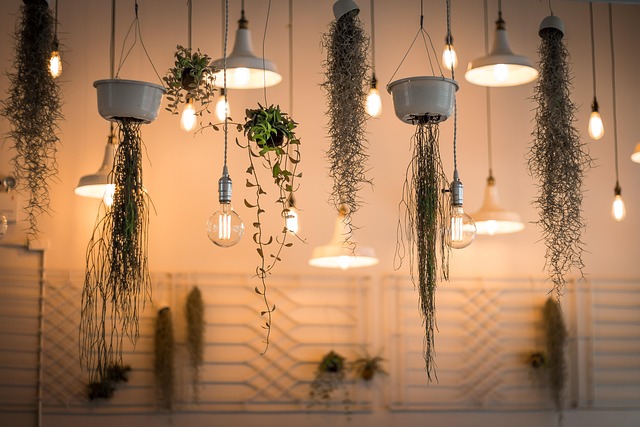
minimalist workshop room with white walls warm wood table and soft pendant lighting

A calm learning space for modern living

Emerald Observer workshops are designed to feel practical and grounded. We focus on the everyday realities of modern homes: limited space, mixed routines, varying daylight, and the need for storage that does not overwhelm the room. The goal is to help you develop a simple, repeatable design process so you can make improvements with clarity.

If you want to continue learning between sessions, the Guides section provides structured reading paths. For deeper skill-building, Lighting and Workspace modules explore common issues such as glare, uneven illumination, and desk placement in multi-purpose rooms.

Educational content is general in nature. For structural changes, electrical work, or regulated construction, consult qualified professionals.