Skip to content
Lighting education for modern interiors

Lighting basics: layers, comfort, and clarity

Good lighting is less about a single statement fixture and more about supporting how you live. This page explains the core building blocks: ambient, task, and accent light; how to reduce glare; and how to choose warmth and placement so rooms feel calm and usable throughout the day.

Layered plan
Ambient, task, accent.
Glare control
Comfort for eyes and screens.
Room routines
Light for how you use space.
A simple lighting map
Use this structure for any room.
Three layers
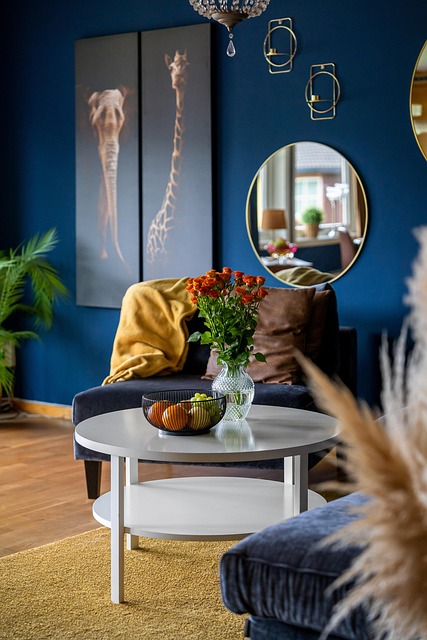
modern living room lighting with pendant lamp floor lamp and warm ambient illumination
Ambient
Even base light that makes a room readable.
Task
Focused light for reading, cooking, and work.
Accent
Depth and mood through highlights and shadows.

For electrical installation or rewiring, consult a qualified electrician and follow applicable Irish standards and building requirements.

Core concepts you can reuse

Lighting decisions become straightforward when you use the same questions for every room. Begin by identifying the routines that happen there, then match each routine to a light source that is comfortable and positioned well. The aim is to avoid over-bright ceilings and under-lit corners by spreading light across the room with different types of fixtures. This section introduces practical principles that apply whether you live in a compact apartment or a larger home.

A modern European lighting approach also respects materials and surfaces. Matte walls diffuse light softly, glossy finishes can cause reflections, and dark floors absorb more light than pale timber. By noticing these interactions, you can pick bulbs and placements that feel calm and balanced, without chasing trends.

Glare and comfort

Choose diffused shades and indirect light where possible. Position bright sources out of direct sightlines, especially when seated. For screens, avoid light directly behind the monitor and reduce shiny reflections in the field of view.

Warmth and mood

Use warmer tones for winding down in living spaces and bedrooms, and more neutral task light where accuracy matters. Keep your home consistent so adjacent rooms do not feel visually disconnected.

Scale and placement

Balance overhead fixtures with table and floor lamps. Use wall lights to free up surfaces in small rooms. Place task lights close to the work area so you can use lower brightness comfortably.

Control and flexibility

Create multiple scenes by splitting lights across different circuits or switches. Dimming helps you adapt across seasons and daylight changes, especially in open-plan spaces.

kitchen lighting plan with under cabinet task lights and warm ambient pendant lighting

A room-by-room lighting approach

Start by listing the main tasks in each room: cooking, reading, video calls, relaxing, or getting ready. Then add lighting in layers. In kitchens, task lighting is often the priority because it supports safety and accuracy, while dining areas benefit from softer ambient light. In living rooms, combine an overhead source with at least two secondary points to reduce harsh shadows and create a comfortable evening atmosphere.

If you are designing a small home, prioritize multi-purpose fixtures: adjustable heads, movable lamps, and wall-mounted options that keep floors clear. This complements minimalist interiors by improving function without adding visual clutter.

How to build a lighting plan in 4 steps

This workflow keeps decisions simple and prevents common mistakes like installing one overly bright ceiling light, or placing lamps where they create reflections on screens. Use it as a checklist before you buy fixtures, and revisit it as you learn what feels comfortable in your daily routine.

  1. 1

    Map routines and zones

    Identify where you read, prep food, work, or relax. Mark these zones on a simple room sketch. This clarifies where task light is needed and where softer ambient light is better.

  2. 2

    Choose ambient sources

    Establish a comfortable base level using ceiling, wall, or indirect lighting. The goal is even brightness with minimal glare, so the room feels calm without being dim.

  3. 3

    Add task lighting close to work

    Place focused light near the activity so you can use less brightness overall. For desks, consider the screen position and avoid placing bright bulbs in your direct line of sight.

  4. 4

    Finish with accent and control

    Use accent lights to create depth: highlight a wall texture, a shelf, or a corner that otherwise feels flat. Split lights across switches or dimmers to create scenes for different times of day.

FAQ

Quick answers to common questions about lighting choices, consistency across rooms, and how to avoid harsh or uncomfortable setups in modern interiors.

What does “layered lighting” actually mean?

It means using more than one type of light: an ambient source for overall brightness, task lights for specific activities, and accent lights to add depth and make the room feel composed. This approach reduces harsh shadows and makes spaces more comfortable.

How can I reduce glare in a living room?

Use shades or diffusers, avoid bare bulbs at eye level, and try indirect light that bounces off walls or ceilings. Position brighter lamps to the side rather than directly in front of seating, and watch for reflections on TVs and glossy surfaces.

Should every room use the same bulb warmth?

Consistency helps adjacent rooms feel connected, but tasks matter too. Many homes use warmer light in living and sleeping spaces and slightly more neutral task light in kitchens or work areas. The key is avoiding extreme shifts between rooms.

What is the easiest upgrade if my room feels flat?

Add a secondary light source, such as a floor lamp or wall light, and use it in the evening instead of relying only on ceiling light. This introduces shadows and highlights that give the room depth.