Clear explanations, measured examples, and practical checklists. We avoid hype and focus on design decisions that improve comfort, usability, and visual calm.

- Layout-first planning and functional zoning
- Lighting layers for day and evening routines
- Material and color harmony fundamentals
Educational content is designed for general learning and inspiration. For regulated works, consult qualified professionals.
Our mission
Our mission is to make modern interior design education accessible, calm, and useful. Many people feel stuck between two extremes: highly technical professional resources and fast-moving trend content that is hard to apply. Emerald Observer sits in the middle, translating studio-grade thinking into beginner-friendly steps you can use in real rooms with real constraints.
We focus on the fundamentals that create long-term comfort: clear circulation, appropriate furniture scale, supportive lighting, and materials that work together in tone and texture. The aim is not to chase a “perfect” look, but to help you build a space that feels coherent, practical, and pleasant to live in across seasons and changing needs.
Teach a repeatable process
We prioritize decision order: measure, zone, select scale, then refine with light and materials. This helps you avoid common beginner missteps.
Support calm, modern living
Aesthetic choices are linked to daily use: storage clarity, comfortable seating zones, glare control, and materials that feel good over time.
Keep it beginner-friendly
We use plain language, short learning modules, and checklists. The goal is to help you act confidently, not memorize jargon.
Maintain trust and clarity
We do not present paid endorsements or unrealistic claims. Content is educational and focuses on safe, practical design decision-making.
Where our inspiration comes from
The platform is inspired by contemporary European design culture and studio workflows associated with premium interiors, modern furniture, architectural concepts, and lighting solutions. We use that background to explain why certain spaces feel balanced, how light shapes perception, and how material choices affect comfort. The result is an educational viewpoint that feels editorial and design-oriented while staying practical for everyday homes.
Our editorial standards
Emerald Observer is designed as a learning resource you can return to. We aim for consistency, clear structure, and practical realism. That means explaining tradeoffs, showing what to measure, and recommending decision rules that work across different budgets and home sizes. We also aim to keep language neutral and beginner-friendly.
When content touches on safety or regulated work, we add a clear reminder to consult qualified professionals. For example, changes involving electrical wiring, structural walls, ventilation, or fire safety requirements should always be assessed by appropriately qualified experts.
What we mean by “modern”
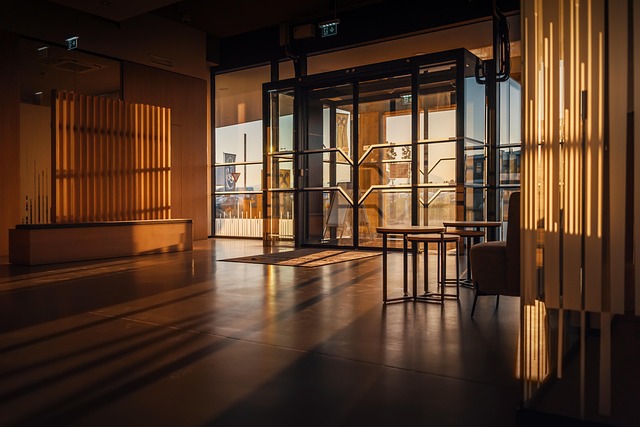
Modern, in our context, means functional and composed: a layout that supports movement, a palette with controlled contrast, and materials that feel coherent. It can be warm and lived-in, with texture and personal objects, as long as the underlying structure is clear. The goal is a home that feels calm and supportive rather than staged.
- Functional zoning and scale
- Layered, comfortable lighting
- Material and color undertones
- Storage that reduces visual noise
- Unrealistic lifestyle promises
- Pressure-driven marketing
- Trend-only advice without context
- Product-heavy “shopping lists”
A note on privacy and advertising
Like many modern websites, we may use analytics and advertising technologies to understand traffic and measure campaign performance. You can control cookies through the preferences panel. For full details about cookies, data categories, and your rights, please read our Privacy Policy.
Educational content notice
The information on this website is provided for informational and educational purposes only. It is not professional architectural, engineering, or legal advice. Interior changes involving electrical work, structural alterations, fire safety requirements, or building regulations should be assessed and carried out by appropriately qualified professionals. While we aim to provide accurate, practical guidance, outcomes depend on individual spaces, materials, installation, and local requirements. Always verify product specifications and consult professionals when needed.