Color harmony
Learn how undertones work in neutrals, how to pair warm woods with cool greys, and how to create contrast without visual stress.
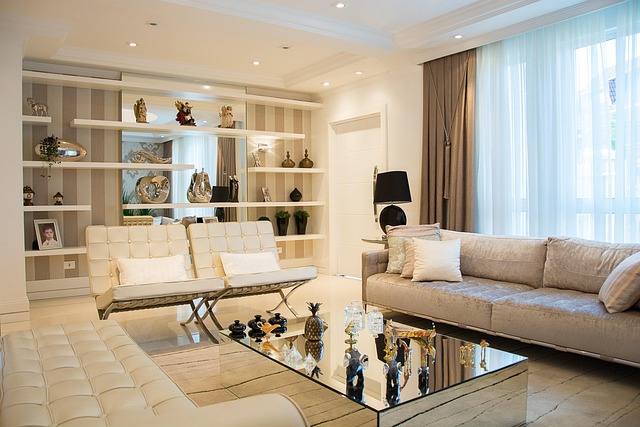
Educational content is designed for general learning and inspiration. For structural alterations or regulated works, consult a qualified professional in your area.
Emerald Observer is a learning-focused platform dedicated to modern interior design basics and contemporary living education. Our purpose is to make design knowledge approachable for beginners who want a home that works well in everyday life, not just in photos. We translate professional thinking into clear principles that help you plan rooms, evaluate furniture scale, understand lighting layers, and choose materials with confidence.
The platform is inspired by European studio practice and contemporary design culture, with an emphasis on calm, functional spaces. You will find structured guides for organizing a living room, setting up a focused workspace, improving comfort through acoustics and soft furnishings, and developing a consistent palette using neutrals, warm wood tones, and balanced contrast. Rather than pushing products, we focus on decision-making frameworks, checklists, and simple exercises that help you learn how interiors are composed.
Learn proportion, zoning, and circulation in plain language. We show how to start with a plan, define needs, and build a layout that supports daily routines.
Understand color temperature, glare control, and lighting layers. Explore practical setups for kitchens, living rooms, and focused work areas.
Get beginner guidelines for scale, spacing, and composition. Learn how to position seating, tables, and storage to make rooms feel open and intentional.
Create systems that reduce visual noise. We cover entryway drop zones, wardrobe logic, and workspace storage that supports calm, focused days.
Start with our beginner sequence: layout basics, lighting layers, then materials and color harmony.
Our content is organized to help you build confidence step by step. Each area is designed to be useful on its own, while still fitting into a coherent approach to modern, functional interiors.
Learn how undertones work in neutrals, how to pair warm woods with cool greys, and how to create contrast without visual stress.
Understand texture, sheen, and durability for everyday use. Compare wood, metal, stone-look surfaces, and textiles in practical contexts.
A practical approach to desk placement, glare-free screens, storage zones, and sound comfort, suitable for homes with limited space.
Short lessons with checklists and examples: entryway resets, shelf styling, sofa and rug sizing, and lighting layer templates.
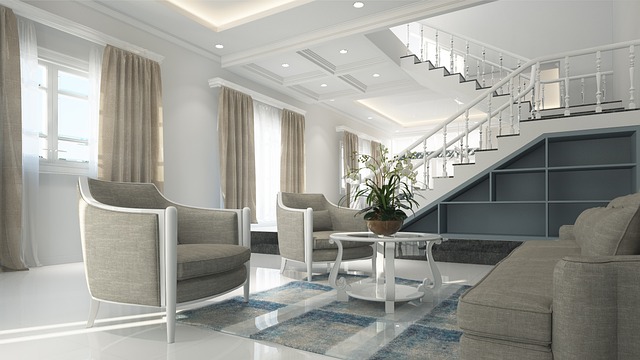
Scandinavian interiors are often described as light and minimal, but the most useful takeaway is their practicality: clear circulation, thoughtful storage, and warm materials that soften modern lines. We use those ideas as a learning reference and show how to apply them in apartments, family homes, and compact work corners without creating a sterile look. The goal is comfort and clarity, supported by repeatable design choices.
Learning interior design becomes easier when you follow a consistent workflow. Our method is designed to help you make decisions in the right order, so you avoid common beginner issues like oversized furniture, flat lighting, or mismatched finishes.
Start with a topic that matches your current need: room planning, lighting, workspace setup, or organization. Each area includes foundational lessons and practical examples.
Use step-by-step checklists for measuring, defining zones, and selecting appropriate scales. We prioritize decisions that affect comfort and function before styling.
Reuse simple templates such as lighting layers, storage zones, and palette rules. Templates reduce guesswork and help you maintain a consistent look.
If you prefer guided learning, workshops bring concepts together through practical exercises. Sessions focus on principles and decision-making, not product promotion.
These answers cover common beginner questions about interior planning, lighting, and modern minimalist spaces. If you are unsure where to start, begin with the Guides section and choose one room or one routine to improve first.
No. Many improvements come from layout clarity, better lighting layers, and smarter storage. Our lessons focus on decisions you can make room by room, using measurements and small adjustments that improve comfort and function.
Start by reducing visual noise: define storage zones, keep surfaces intentional, and choose a limited palette with consistent undertones. Then add layered lighting to create softness in the evenings and clarity during daytime tasks.
For most homes, warm to neutral white works well for living spaces, while more neutral task lighting can help in kitchens and work areas. Our lighting lessons explain how to balance warmth, accuracy, and comfort without harsh glare.
Minimalism is more about clarity than empty rooms. You can keep meaningful items while designing better storage, reducing duplication, and selecting shapes and materials that feel calm together.
Yes. We focus on space planning principles that scale up or down. Many examples are built around compact layouts, shared rooms, and practical storage, which are common in urban homes.
No. Emerald Observer is designed as an educational and lifestyle-oriented platform. We focus on concepts, measurements, and decision frameworks so you can choose items that fit your space and needs.
The information on this website is provided for informational and educational purposes only. It is not professional architectural, engineering, or legal advice. Interior changes involving electrical work, structural alterations, fire safety requirements, or building regulations should be assessed and carried out by appropriately qualified professionals. While we aim to provide accurate, practical guidance, outcomes depend on individual spaces, materials, installation, and local requirements. Always verify product specifications and consult professionals when needed.